

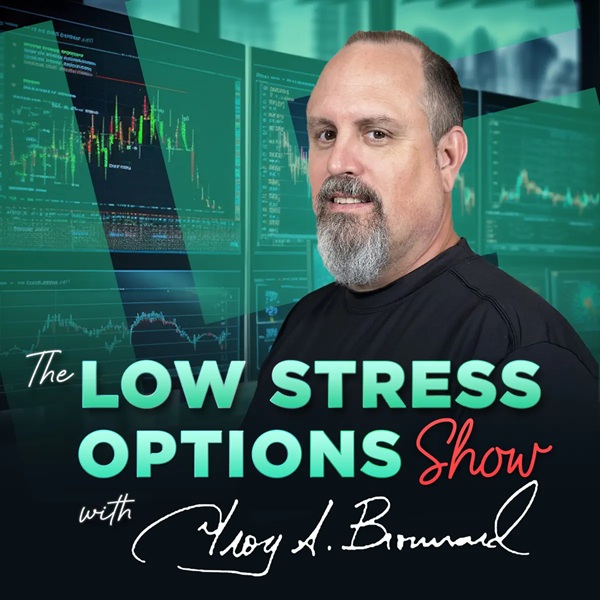
[Group Buy] Troy Broussard – Low Stress Options
Original price was: $1,000.00.$69.00Current price is: $69.00.
Embracing Tranquility – Low Stress Trading for Sustainable Wealth Growth
Low stress trading represents a paradigm shift in how individuals approach financial markets, emphasizing mental well-being and consistent, achievable returns over frenetic, high-risk speculation. This methodology champions simplicity, discipline, and a clear understanding of risk, allowing participants to build wealth without the emotional toll often associated with traditional trading strategies.
Table of Contents
Introduction to Low Stress Trading Principles
In an era defined by rapid market fluctuations and information overload, the concept of low stress trading has emerged as a compelling alternative for individuals seeking to grow their wealth without succumbing to the intense pressures often associated with financial markets. This approach isn’t merely about avoiding losses; it’s fundamentally about cultivating a serene mindset that fosters rational decision-making and long-term financial stability. Its importance cannot be overstated in today’s volatile landscape, where news cycles can trigger instant shifts, and the temptation to react impulsively is strong. A disciplined, low-stress methodology helps insulate traders from the psychological whipsaws that often lead to poor outcomes, promoting a more measured and sustainable path to portfolio growth.
The philosophy underpinning less stress strategies is rooted in the belief that consistent, modest gains, achieved with minimal emotional and temporal investment, ultimately outperform sporadic, high-risk endeavors. It advocates for an environment where the trader is in control, not the market or their own impulses. By prioritizing psychological well-being and a clear, repeatable process, participants can cultivate a healthier relationship with their finances. This contrasts sharply with high-stress trading approaches, which often glorify fast money, extensive screen time, and a constant pursuit of the “next big gain,” leading to burnout and significant capital erosion for many. The distinct advantage of a low-stress method lies in its ability to empower individuals to participate in the markets on their own terms, fitting investing into their lives rather than allowing it to consume them.
Foundations of the Low Stress Options™ Program
The Low Stress Options™ program is built on a profound philosophy that transcends mere trading mechanics, embedding the principles of systematic wealth-building into its very core. Its origin story, a rich narrative drawn from a specific historical context, serves as a powerful foundational myth for participants. Co-founded by Troy Broussard, a self-described former Navy Nuclear Engineer, and John Sanpietro, the program leverages Broussard’s methodical background to instill a disciplined, engineering-like approach to financial markets. This isn’t about chasing speculative highs but rather about constructing a sturdy financial edifice through consistent, incremental steps. The program’s design, therefore, is not just a set of instructions but a complete philosophical framework aimed at transforming how individuals interact with their capital.
At the heart of the LSO philosophy is the inspiring “Steal Yourself Wealthy” narrative, a unique and memorable story that imparts two crucial principles. Troy Broussard recounts his experience as a 16-year-old exchange student in Brazil during the hyper-inflationary 1980s, where his host father, Maximo, safeguarded his children’s businesses by systematically “stealing” a small percentage of daily profits—a metaphorical act of wealth preservation. Maximo would then convert this local currency into stable U.S. dollars, effectively creating a reserve fund that allowed the businesses to survive when others failed. This compelling tale underpins the LSO framework’s two core tenets: systematic capital allocation (regularly taking a small portion of income) and asset conversion (moving that capital into an asset class that generates returns and acts as a hedge). This historical context provides not just a strategy but a powerful mental model for appreciating the value of patience, prudence, and consistent income over high-risk, fleeting opportunities.
The Low Stress Options Framework
The Low Stress Options program distinguishes itself by offering an optimized adaptation of the well-recognized Wheel Strategy, transforming a broadly understood method into a meticulously refined framework specifically designed for generating consistent, premium-based income. This adaptation consciously moves away from the common pitfalls associated with speculative options buying, focusing instead on the calculated advantage inherent in selling options. By concentrating on premium collection, the framework positions itself as a conservative, high-probability approach, meticulously crafted to minimize the mental and financial volatility often encountered in more aggressive trading styles. The brilliance lies in its simplification – taking a complex strategy and distilling it into its most effective, actionable components, making it accessible even to those with zero prior trading experience.
The core mechanics of the LSO strategy revolve around two primary option-selling techniques. The “Primary Strategy,” accounting for approximately 80% of trades, involves selling weekly Cash Secured Puts (CSPs). This means a trader collects cash upfront (the “premium”) for agreeing to potentially buy 100 shares of a specific stock at a predetermined price (the “strike price”) by a defined expiration date. Crucially, the position is “cash secured,” requiring the trader to hold sufficient cash in their brokerage account to cover the full purchase if the stock price drops below the strike price. The “Secondary Strategy,” implemented in about 20% of cases, involves selling Covered Calls. This is typically deployed if a trader is assigned stock from an expiring CSP. Having acquired 100 shares, the trader then sells a call option against those shares, collecting another premium for agreeing to sell the stock at a certain price. This two-part approach ensures that traders are always collecting premium, whether agreeing to buy or agreeing to sell, creating a continuous income stream that inherently minimizes stress through its systematic, premium-focused nature.

How this strategy effectively minimizes stress is multi-faceted. Firstly, the focus on selling options to collect premium rather than buying options for speculative gains inherently shifts the probability of success in the trader’s favor. Options sellers, unlike buyers, profit from the passage of time (time decay), managing volatility, and the majority of options expiring worthless. This high-probability scenario translates directly into a reduced psychological burden because the odds are generally weighted in the trader’s favor. Secondly, the framework’s stated time commitment of just 1-2 hours per week, once mastered, is a critical component of its low-stress proposition. It allows participants, often busy business owners or entrepreneurs, to integrate wealth-building into their schedule without sacrificing valuable time required for their primary ventures or personal lives. This minimal temporal investment means trading isn’t a constant, demanding presence, alleviating the pressure of needing to monitor markets incessantly.
Techniques for position management are central to the LSO framework’s ability to minimize stress and mitigate potential losses. The primary objective is to have the sold contracts expire worthless, allowing the trader to keep the full premium without ever needing to own the underlying stock. However, markets are dynamic, and stocks don’t always move as anticipated. The program provides specific techniques, notably “rolling” or “extending” positions, to navigate scenarios where the stock price nears or crosses the strike price. Rolling involves closing an expiring or in-the-money option position and simultaneously opening a new similar position with a later expiration date or a different strike price, often collecting additional premium in the process. This maneuver serves to avoid undesirable stock assignment, push out the decision date, or improve the position’s break-even point. While the exact stock criteria aren’t detailed in the provided document, the emphasis on a cash-secured approach strongly implies that asset selection involves evaluating stable, liquid companies with strong fundamentals, reducing the risk of a “traded company goes bankrupt or is delisted” scenario, which is identified as one of the rare instances of loss. This careful selection, combined with disciplined management, forms the cornerstone of maintaining a truly low-stress approach.
Performance Metrics and Expectations
The Low Stress Trading program articulates ambitious yet seemingly achievable performance metrics that serve as a strong draw for potential participants. A headline claim is a potential win rate of approximately 98%. This figure, while impressive, underscores the statistical advantage inherent in selling options, where the probability of options expiring worthless often favors the seller. The document suggests that losses are rare and typically occur only in extreme circumstances, such as a traded company going bankrupt or being delisted – events that are largely external to the strategy’s mechanics and often mitigated by careful stock selection. Such a high win rate is a significant factor in promoting a low-stress mindset, as it reduces the frequency of negative outcomes that can trigger emotional decision-making. However, it’s crucial for participants to understand that a “win” in this context typically means the option expires worthless, allowing the premium to be kept, rather than necessarily a massive capital gain. It’s about consistent, small victories adding up.
The program’s target return is equally compelling: an average of 1% return on capital per week. This seemingly modest weekly gain, when compounded, theoretically translates into an impressive 68% annualized return. This long-term perspective is fundamental to low stress options strategies, as it diverts focus away from daily fluctuations and towards the power of consistent, incremental growth. Managing expectations is critical here; while 68% annual return is a theoretical projection, actual returns can vary based on market conditions, individual discipline, and capital deployment. Understanding the risk-reward balance means appreciating that while the strategy aims for high probability and consistent returns, no trading strategy is entirely without risk. The program’s design, however, explicitly aims to minimize this risk through its high win rate and defined mechanics. Proprietary software tools, such as an options scanner and tracker, are essential for effective performance tracking, allowing users to monitor their progress against these targets and ensure adherence to the framework, reinforcing the analytical and disciplined approach championed by LSO LLC.
Practical Implementation: Step-by-Step Process
Embarking on the Low Stress Options journey begins with the practical step of setting up a brokerage account. This isn’t just about choosing any platform; it requires selecting a brokerage that specifically accommodates options trading and offers competitive commission structures for selling options. Importantly, the chosen brokerage must allow for cash-secured options, validating that the trader holds enough capital to cover potential stock assignments. Considerations should also include the user interface, ease of fund transfers, and access to necessary trading tools, all of which contribute to a smooth and genuinely low-stress experience. This initial selection lays the groundwork for all subsequent trading activities, emphasizing the need for due diligence before even placing the first trade.
Minimum capital requirements for the LSO program range from $5,000 to $10,000. This provides a clear barrier to entry, ensuring that participants have sufficient capital to make the strategy viable and impactful, as trading options often requires certain contract sizes and margin capabilities. Resource considerations extend beyond just capital; they also include the time commitment, which, after initial training, is stated to be a manageable 1-2 hours per week. This weekly routine typically involves a structured approach: a brief market analysis to identify suitable underlying stocks, careful placement of new trades (often on Monday or Tuesday as weekly options become most liquid early in the week), and a review of existing positions later in the week to manage potential assignments or rolls. Utilizing tools like optioncalc becomes paramount in this phase, allowing traders to swiftly analyze potential premiums, probabilities, and break-even points for various strike prices and expiration dates. This systematic approach, coupled with powerful analytical tools, supports the core principle of maintaining discipline and patience throughout trading cycles, preventing impulsive decisions that can undermine the strategy.
The Role of Technology and Community Support
In adapting to the demands of modern financial markets while upholding its commitment to minimal stress, the Low Stress Options program heavily leans on judiciously integrated technology and a robust community infrastructure. Members gain access to proprietary tools, including specialized options scanners and tracker software, which are not merely supplementary but are integral to the strategy’s effective execution. These tools are designed to streamline the complex process of identifying suitable trades, monitoring open positions, and managing portfolio risk. An options scanner might sift through hundreds of potential underlying stocks, highlighting those that meet the program’s specific criteria for volatility, liquidity, and premium potential. Concurrently, tracker software provides a clear, real-time overview of a trader’s portfolio, simplifying the ongoing management that could otherwise become overwhelming. This technological backbone ensures that the “1% Effort” mantra is more than aspirational, making efficient decision-making a tangible reality for participants.
Further enhancing the user experience and educational continuity, participants can leverage the less stress login portal, serving as a centralized hub for all program resources, educational content, and crucial updates. This portal not only provides seamless access to the proprietary software but also acts as the gateway to the private community. Engaging with this community is framed as a vital component of the low stress trading journey. It provides a platform for members to derive motivation, seek advice from experienced peers and mentors, and participate in shared learning experiences. In a field that can often feel isolating, this active community fostered by LSO LLC offers an invaluable source of support, reinforcing discipline and providing collective wisdom. The continuous learning and adaptation facilitated by both the technological tools and the community ensure that traders remain agile and responsive to market changes, consistently refining their approach within the established framework without succumbing to high-pressure environments.
Addressing Common Concerns and Misconceptions
One prevalent misconception surrounding low stress trading, particularly with options, is the idea that it requires an entirely emotionless option trading approach, suggesting a complete suppression of all human feelings. However, the program clarifies that this isn’t about becoming a robot, but rather about cultivating emotional detachment from individual trade outcomes. It’s about understanding that while emotions are natural, they should not dictate trading decisions. The goal is to embed the strategy so deeply through discipline and repeated positive experiences that the system, not mood swings, drives actions. This nuanced distinction is crucial; rather than demanding an impossible emotional void, it trains traders to recognize emotional cues and consciously revert to their predefined, systematic framework. This fosters resilience and prevents impulsive, fear- or greed-driven mistakes that are common pitfalls in less structured trading environments.
Another common myth that the LSO framework directly challenges is the notion that high-frequency or complex trading necessitates extensive hours of market surveillance and intricate calculations. Many believe that significant returns can only be garnered through constant engagement and highly sophisticated strategies. The low stress options program unequivocally debunks this, demonstrating through its “1% Effort” principle that consistent portfolio growth is achievable with a minimal time commitment of 1-2 hours per week. This efficiency stems from the strategy’s inherent simplicity and reliance on automated tools for scanning and analysis. The program also directly addresses the impact of market downturns, a major concern for any investor. While no strategy is immune to extreme market conditions, the Wheel Strategy’s focus on selling premium and the ability to “roll” positions are designed to mitigate risk during adverse movements, allowing traders to adjust and collect additional premiums rather than being forced to close positions at a loss. Critical reviews, such as those concerning recurring subscription costs or perceived upselling tactics, are also valuable points often raised. The founder’s public responses typically defend the program’s value proposition, subscription model for continued support and tools, emphasizing the ongoing benefits and community standards, indicating transparency and a commitment to addressing user feedback directly.
Case Study: Wong’s Garden Troy and Local Trading Opportunities
Moving beyond theoretical frameworks, the application of low stress trading principles can be remarkably tangible, even integrating with real-world local assets and business contexts. Consider hypothetical scenarios where local business owners, much like the host father Maximo in the “Steal Yourself Wealthy” narrative, could apply capital allocation principles. For instance, the owner of a local restaurant, perhaps Wong’s Garden Troy, might regularly allocate a small percentage of their weekly profits not just to a traditional savings account, but to an options trading account specifically designed for low-stress strategies. This systematic approach transforms sporadic personal investments into a structured wealth-building initiative directly linked to the success of their business. This isn’t about speculating with operational capital but about intelligently deploying surplus funds to generate additional income, mirroring the steady, conservative growth advocated by LSO.
Furthermore, integrating real estate or local property examples, such as those hypothetically associated with 15502 Stoneybrook West Parkway, provides another layer of practical application. An entrepreneur owning multiple properties might utilize the consistent rental income, after expenses, as the “fresh capital” for their low-stress options strategy. Instead of letting capital sit idly or in lower-yielding investments, a portion could be systematically deployed into CSPs or Covered Calls. This demonstrates how diverse income streams can feed into and accelerate the growth of a trading portfolio without impinging on the operational integrity of the primary business or asset. The key insights here for entrepreneurs and business owners are manifold: leverage existing cash flow, maintain strict discipline in capital allocation (the “steal” metaphor), and appreciate that the program’s methodology explicitly bridges the gap between traditional business management and strategic market participation. It empowers them to apply the same principles of strategic planning and consistent action that drive their businesses to their personal finances, informed by community insights and location-specific opportunities that might influence specific stock selections based on local economic trends or familiarity.
Enhancing Your Low Stress Trading Journey
The longevity and success of a low stress trading journey fundamentally hinge on the continuous cultivation of discipline and emotional neutrality. It’s a marathon, not a sprint, where unwavering adherence to the established framework far outweighs impulsive reactions to market noise. Discipline manifests in the consistent execution of the weekly routine: diligent market analysis, precise trade placement, and timely position management. Emotional neutrality, on the other hand, is the ability to observe market fluctuations and individual trade outcomes without letting them influence the systematic process. This means avoiding the urge to chase gains or panic sell during drawdowns—a skill developed through practice and a trust in the underlying statistics of strategies like those taught by LSO LLC. These two pillars ensure that the trader remains the master of their strategy, rather than a slave to market sentiment, fostering long-term resilience and profitability.
Regular review and strategic adjustments, while counterintuitive to the “set it and forget it” stereotype often associated with “low stress,” are nonetheless critical for adaptation without increasing stress. This doesn’t imply frequent, reactive changes to the core strategy, but rather a periodic assessment of its performance against market conditions, and a thoughtful consideration of enhancing the existing framework. For instance, observing shifts in implied volatility might prompt a review of stock selection criteria, or a change in sector performance might lead to adjusting watchlist components. The enduring importance of patience and long-term thinking cannot be overstated; the 1% weekly goal illustrates that significant wealth accumulation is a function of compounding over time, rather than seeking immediate, large payouts. Furthermore, a wealth of resources exists to aid in continuous education, from dedicated optioncalc tutorials that refine analytical skills, to additional materials provided by LSO LLC, and the invaluable knowledge sharing within the program’s community. These resources collectively empower traders to deepen their understanding, refine their techniques, and confidently navigate their low-stress path to financial independence.
Conclusion: Building Confidence and Consistency in Low Stress Trading
The Low Stress Options program effectively demystifies options trading, transforming it from a realm of high-stakes speculation into an accessible, disciplined approach for consistent wealth generation. At its core, the program emphasizes simplicity, patiently building capital through a high-probability strategy centered on selling Cash Secured Puts and Covered Calls, requiring minimal time commitment. By integrating proprietary tools, a supportive community, and robust educational resources, it empowers individuals, even those with no prior trading experience, to achieve targeted returns while minimizing the emotional strain typically associated with market engagement. The program’s framework, rooted in a systematic capital allocation philosophy, guides participants to cultivate the patience and discipline essential for long-term financial success, ultimately fostering confidence and consistency in their journey towards wealth accumulation.
Sales Page: _https://lowstresstrading.com/options
Delivery Time: 12 – 24hrs after purchased.
Related products

Forex & Trading

Forex & Trading

Forex & Trading

Forex & Trading

Forex & Trading


Forex & Trading

Forex & Trading